
On this page
Quick answer: If you've taken too much THC, get to a safe, quiet place, don't drive, sip water, and rest. For most adults the feeling eases with time. Call 911 for chest pain, trouble breathing, fainting, a seizure or someone who won't wake up. If a child or pet may have eaten cannabis, get help right away: call Poison Control at 1-800-222-1222 (for pets, your vet or the ASPCA Animal Poison Control Center at 888-426-4435), or 911 in an emergency.
Feeling too high usually happens the same way: someone takes a dose, feels nothing for a while, takes more, and then both doses arrive together. If that's where you are right now, take a breath. This guide walks you through what to do.
This is general information, not medical advice. If you're worried about someone's safety, call 911.
Signs you've taken too much THC
Too much THC can affect your mind and your body. Common signs include:
- Anxiety, fear or panic, sometimes with a feeling that something is very wrong.[1][2]
- A racing heart. THC can raise heart rate and blood pressure.[1][3]
- Dizziness or light-headedness, especially when standing up quickly.[4]
- Confusion, a distorted sense of time, and trouble with memory or coordination.[2]
- Nausea or vomiting.
- Rarely, at high doses, a temporary psychotic episode: seeing or hearing things that aren't there, or losing touch with what's real.[2]
Eaten cannabis, including capsules and drops swallowed in food or a drink, is especially easy to overdo. Effects usually start 30 minutes to 2 hours after you swallow it, and the CDC notes that this delay leads some people to take too much.[5] Once they arrive, effects from swallowed THC typically peak 2–3 hours after eating and can last about 4–12 hours, depending on the dose.[1]
What to do right now
There's no quick fix for being too high. What helps most is time, plus a few simple steps that keep you safe and comfortable while it passes.
1. Get to a safe, calm place
Sit or lie down somewhere comfortable and familiar, ideally with a person you trust. Dim the lights, turn down noise, and step away from crowds. If you feel dizzy, sit down before you stand up, and get up slowly.
2. Remind yourself that it will pass
Anxiety is one of the main effects of too much THC, and it can feed on itself.[1] It helps to say plainly to yourself: I took too much THC. This is a temporary effect, and it will wear off. Slow breathing, in through the nose and out through the mouth, can help you feel more in control.
3. Don't drive, and don't take anything else
Don't drive or operate machinery. Cannabis slows reaction time and impairs coordination, and the CDC advises not driving after using it.[6] Don't drink alcohol, which can add to impairment,[6] and don't take more cannabis of any kind.
4. Sip water and have a light snack
Staying hydrated and eating something simple can help you feel more comfortable, especially if you have a dry mouth or haven't eaten. These are comfort steps, not treatments: they won't remove THC from your body. Small sips are best if you feel queasy.
5. Distract yourself, then rest
Familiar music, a favorite TV show or a simple activity can pull your attention away from uncomfortable thoughts. If you can, sleep.
What about black pepper, lemon or CBD?
You'll see plenty of home remedies online. Sniffing or chewing black peppercorns and drinking lemon water are popular suggestions, but these are anecdotes; we're not aware of good evidence that they reduce THC's effects in people, and they're no substitute for time and rest.
CBD is often suggested too, but the research doesn't back it up as a fix. In a 2023 randomized trial, adding CBD at the CBD:THC ratios common in cannabis products didn't measurably reduce the acute effects of a 10 mg THC dose.[7] If you're already uncomfortable, don't take any more cannabis products, and above all don't take anything that contains more THC.
When to get medical help
Call 911 or go to the nearest emergency department right away if you or someone else has:
- Chest pain
- Trouble breathing
- Fainting, collapse, or can't be woken up
- A seizure
- Severe confusion, or behavior that puts them or others in danger
- Vomiting that won't stop
If the situation isn't an emergency but you have questions, or you're not sure how serious it is, call Poison Control at 1-800-222-1222. The service is free and confidential, and experts can tell you whether you need to be seen.[8] The CDC directs people to the same number, and to 911 in an emergency.[5] Have the product package nearby so you can tell them what was taken and how much.
Also get help sooner rather than later if the person is older, has a heart condition, takes other medications, or may have taken other substances too.
If a child or pet may have eaten cannabis
Don't wait for symptoms. Children who consume THC products can become very sick, with trouble walking or sitting up, or difficulty breathing.[5]
- Child: Call Poison Control at 1-800-222-1222 right away, or 911 if they have trouble breathing, are very drowsy, or have a seizure.[5][9]
- Pet: Call your veterinarian, or the ASPCA Animal Poison Control Center at (888) 426-4435, which California's Department of Cannabis Control lists for pet exposures.[9]
Bring the package with you, or keep it nearby for the call.
How to avoid taking too much next time
Most "too high" stories are avoidable. A few habits make a big difference:
- Start low. We suggest 1–2 mg of THC for first-timers. Our guide How Much THC Should a Beginner Take? explains why.
- Know your onset, and wait. Drops held under the tongue usually take 10–20 minutes; drops in food or drink and capsules usually take 30 minutes to 2 hours. Wait at least 2–3 hours before taking more.
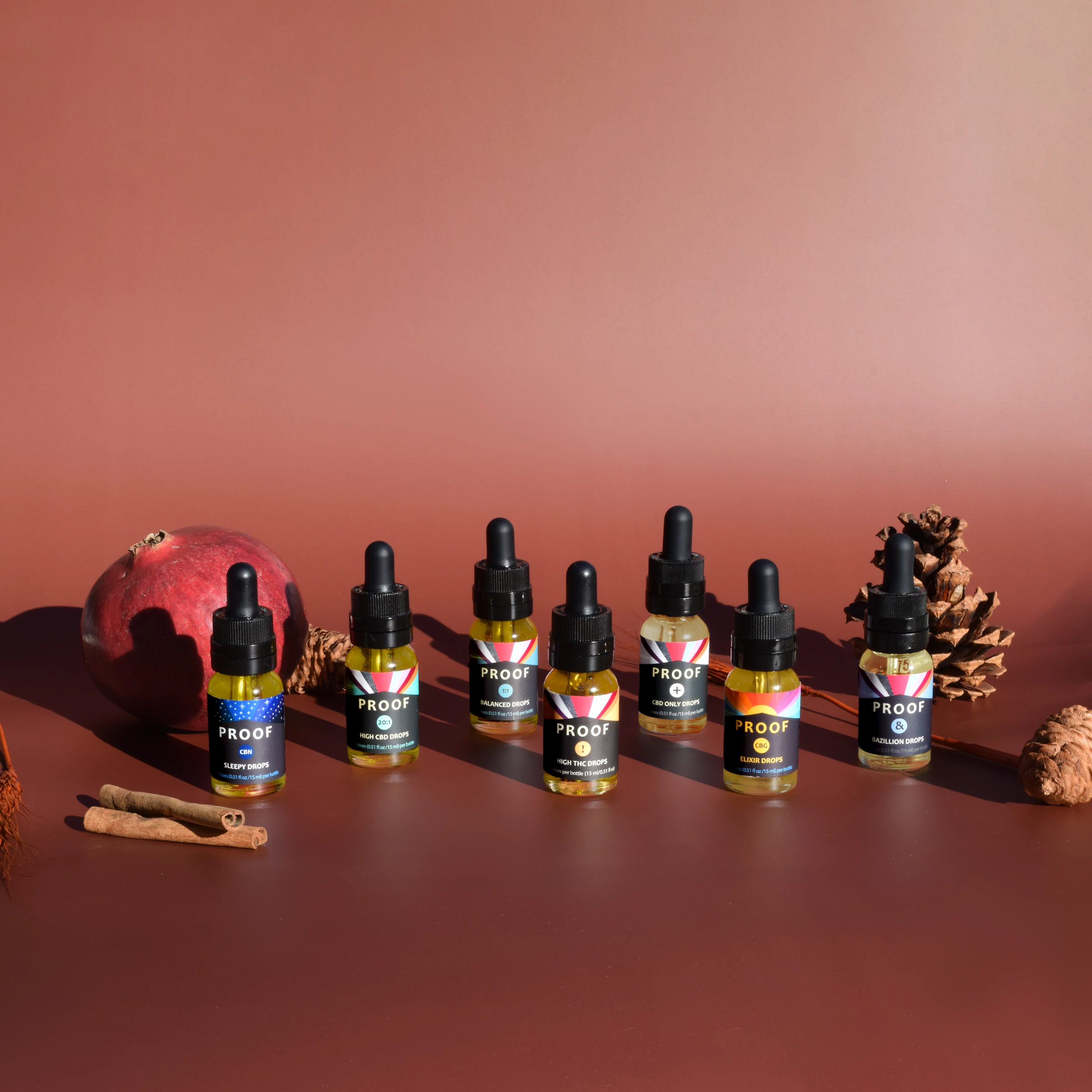
- Read "per serving," not just "per package." A bottle of our High THC Drops has 1,000 mg THC, with 33 mg in each half dropper. That's a product for experienced consumers only. Our label-reading guide walks you through it.
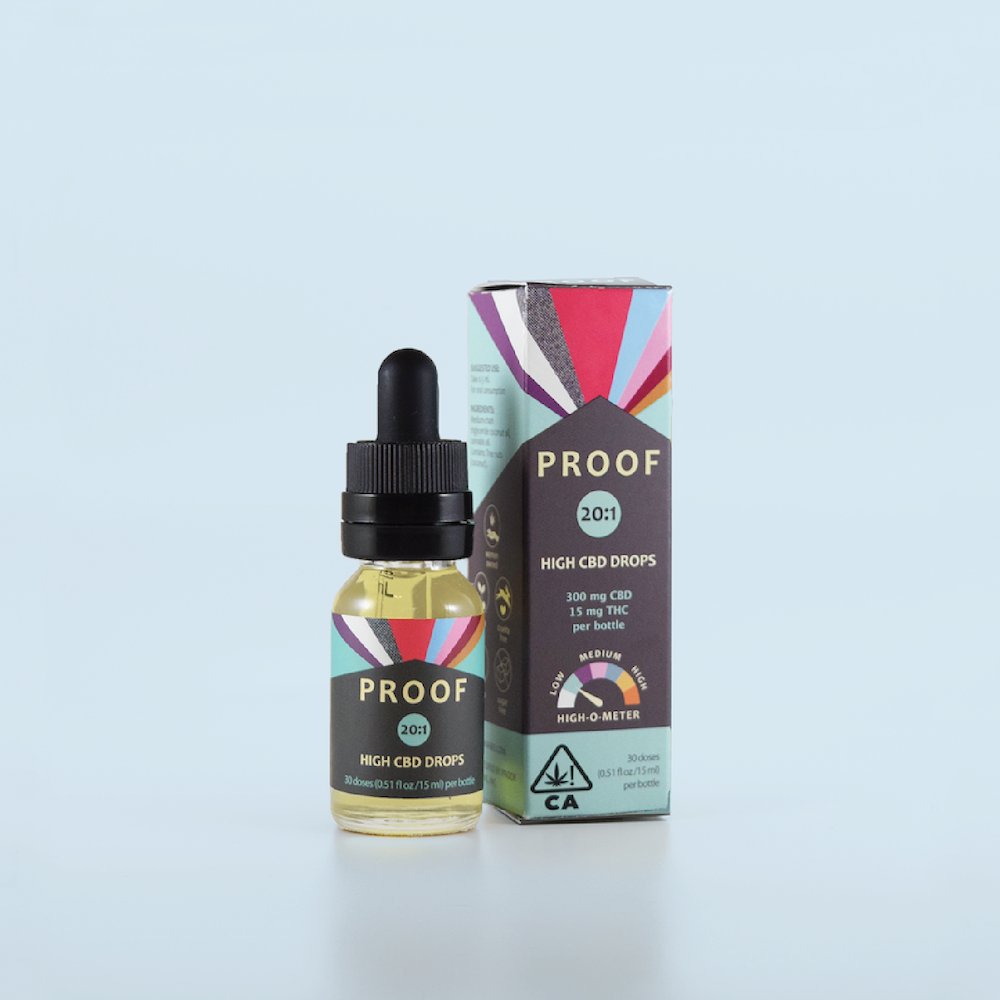
- Consider a CBD-rich ratio. Products like our 20:1 High CBD Drops (0.5 mg THC per half dropper) and 10:1 Perfect Microdose Drops (1 mg THC per half dropper) put very little THC in each serving. Learn more in our CBD:THC Ratio Guide.
- Start low again with a new product, a new batch or after a break. Your tolerance can change.
- Don't mix cannabis with alcohol or other substances.
- Store it securely. Keep products in their child-resistant packaging, locked away and out of sight of children and pets.[9]
For more on why the same dose can feel different from person to person, read Serving Size and Tolerance, or start from the top with our New to Cannabis guide.
Frequently asked questions
How long does it take for too much THC to wear off?
It depends on the dose and how you took it. Effects from swallowed THC, including edibles, capsules and drops taken in food, typically peak 2–3 hours after eating and can last about 4–12 hours.[1] Effects from drops held under the tongue come on faster. Rest, and sleep if you can.
Can you overdose on THC?
Taking too much THC can make you very sick, and children are especially at risk.[5] Call 911 for chest pain, trouble breathing, fainting or a seizure, and call Poison Control at 1-800-222-1222 with any questions.
Does CBD stop a THC high?
Not reliably. One randomized trial found that CBD at common product ratios didn't measurably reduce the effects of 10 mg THC.[7] If you're too high, don't take more cannabis products; time and rest are what help.
Does black pepper help if you're too high?
It's a popular anecdote, but we're not aware of good evidence that it works in people. It isn't a treatment. Focus on a safe place, water, rest and time.
What should I do if my dog ate a THC product?
Call your veterinarian or the ASPCA Animal Poison Control Center at (888) 426-4435 right away, and keep the package nearby.[9]
Sources
- Grotenhermen F. Pharmacokinetics and pharmacodynamics of cannabinoids. Clinical Pharmacokinetics. 2003;42(4):327–360.
- National Institute on Drug Abuse. Cannabis (Marijuana) DrugFacts.
- Centers for Disease Control and Prevention. Cannabis health effects.
- National Center for Complementary and Integrative Health (NIH). Cannabis (Marijuana) and Cannabinoids: What You Need To Know.
- Centers for Disease Control and Prevention. Cannabis poisoning.
- Centers for Disease Control and Prevention. Cannabis and driving.
- Englund A, Oliver D, Chesney E, et al. Does cannabidiol make cannabis safer? A randomised, double-blind, cross-over trial of cannabis with four different CBD:THC ratios. Neuropsychopharmacology. 2023;48(6):869–876.
- Poison Control (National Capital Poison Center). poison.org.
- California Department of Cannabis Control. Responsible cannabis use.
- New to cannabis
- Safety
For adults 21+ only. Cannabis affects everyone differently. Product descriptions and anticipated effects are provided for informational purposes only and may vary by individual. Proof products are not intended to diagnose, treat, cure, or prevent any disease or medical condition. Consult a healthcare professional regarding cannabis use and your individual health needs.