On this page
Since January 1, 2026, licensed California dispensaries can sell cannabis products made specifically for animals, as long as they meet new state standards [1]. The headline rule is simple: a pet cannabis product can contain no more than 1 mg of total THC per package [2].
This guide covers what the rules mean for pet owners, CBD safety basics, and what to do if your dog gets into THC. It's general information, not veterinary advice. Talk to your veterinarian before giving your pet any cannabis product.
If your pet has eaten a cannabis product right now: call your veterinarian, an emergency animal hospital, or ASPCA Animal Poison Control at (888) 426-4435, available 24/7 (a consultation fee may apply) [3].
What changed in 2026
Before 2026, cannabis products couldn't be marketed or sold in California for use on or by animals [4]. A 2022 state law, AB 1885, required the Department of Cannabis Control (DCC) to set standards for animal cannabis products [1]. Those regulations were approved in November 2025 and took effect January 1, 2026 [1].
Here's what the rules say [2][5]:
- 1 mg total THC per package, maximum. "Total THC" counts THC, delta-8 THC and THCA together [5].
- No limit on CBD or other cannabinoids. The THC cap is the only potency limit [5].
- Only three product types. Animal cannabis products can only be edibles, orally consumed concentrates (such as drops) or topicals [2]. Flower, pre-rolls, vapes and inhaled concentrates can't be sold as animal products [5].
- Not for food animals or livestock. The products are for pets, not animals raised for food [5].
- Same rules as other cannabis products. Otherwise, animal products follow the same requirements as any cannabis product, including testing, packaging and labeling [2][5].
- Adults 21+ at licensed retailers. Animal cannabis products can only be sold to people 21 or older, and only in the adult-use market [5].
The DCC says the 1 mg cap is meant to "reduce the risk of toxicosis and death from exposure to unsafe levels of THC" [1].
What this means when you shop
- Look for a product made for animals. A product labeled and marketed for pets has to meet the 1 mg THC limit. A regular human tincture suggested as "pet-friendly" wasn't made to that standard.
- Check the ingredients, not just the cannabinoids. The DCC warns manufacturers that some common ingredients, including chocolate, xylitol, grapes, alcohol and caffeine, may be unsafe for animals [5].
For the retailer side of these rules, read A New Era of Compliance: What Retailers Need to Know.
Can my vet talk to me about cannabis?
Yes. California law protects veterinarians from discipline solely for discussing or recommending cannabis for an animal, absent negligence or incompetence, and the state Veterinary Medical Board has guidelines for those conversations [4]. Vets still can't prescribe, administer or dispense cannabis [4]. Your vet is the right person to ask whether a cannabis product makes sense for your pet, given its health and medications.
CBD for pets: what's known about safety
The FDA has not approved CBD for any use in animals, and it recommends that pet owners talk with their veterinarians about treatment options [6]. Research on CBD in pets is limited and doesn't show that CBD treats any condition in animals.
What the veterinary literature does say about safety [7]:
- Stomach upset is the most common issue. In poison-control cases involving CBD, vomiting, drooling and diarrhea were reported.
- Liver values can change. Some longer-term dog studies saw a liver enzyme (ALP) rise during CBD use, and the Merck Veterinary Manual suggests liver monitoring with ongoing use.
- Poorly made products are a risk. Some products don't contain the CBD their labels claim, and some can contain THC or contaminants like heavy metals. If a pet shows signs that look like THC poisoning after a "CBD" product, the product may have contained THC.
Proof Pets Drops: serving guide
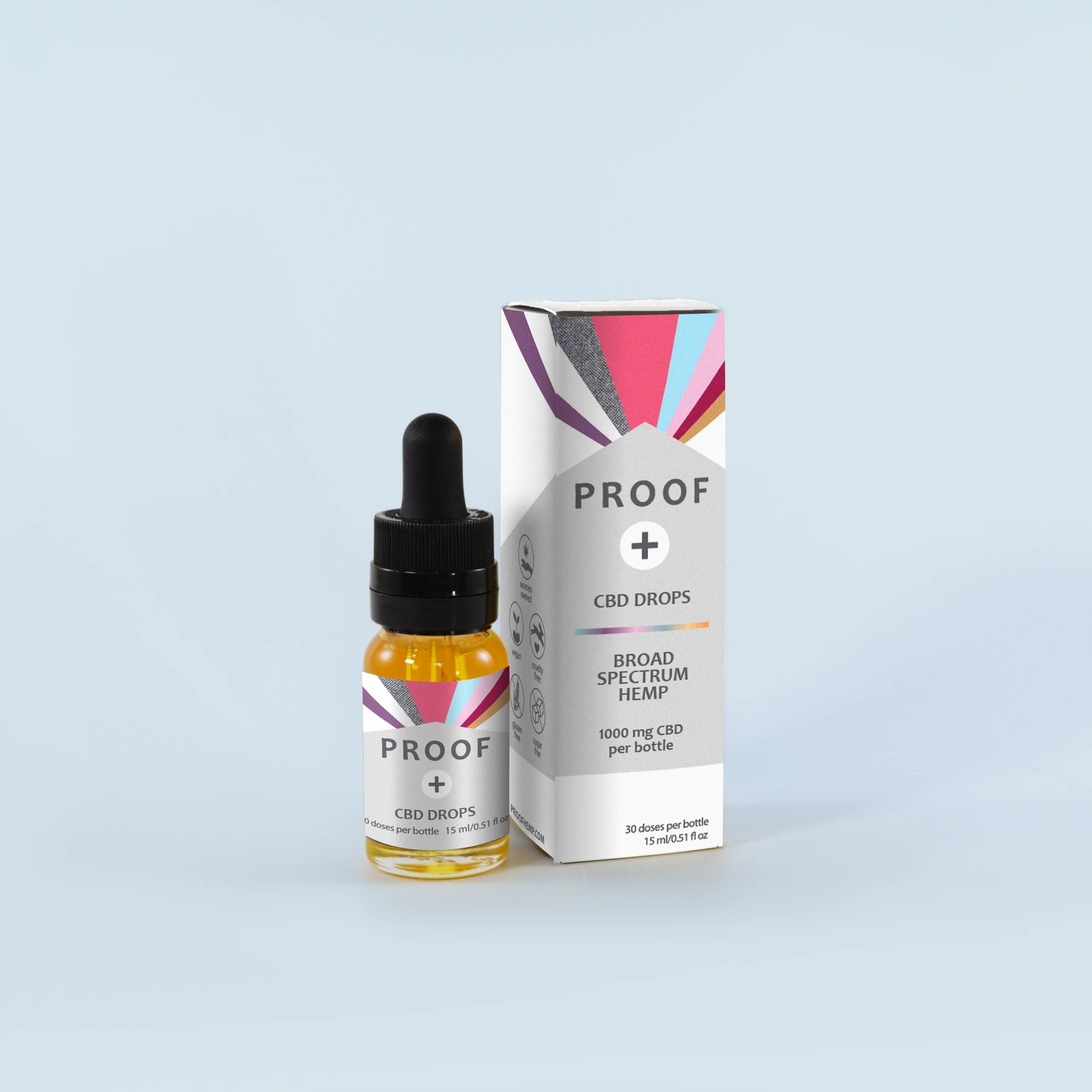
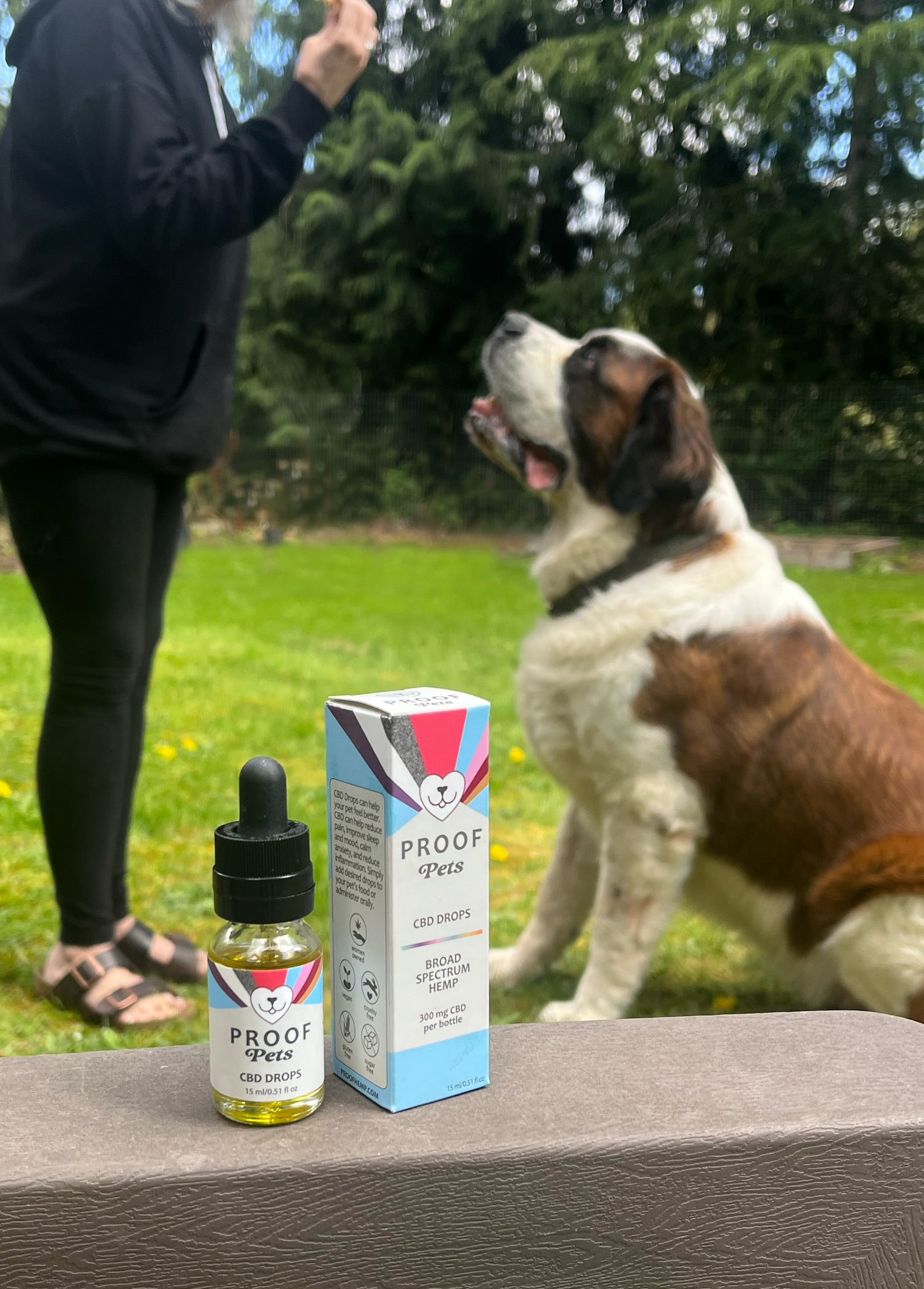
Proof Pets Drops contain 300 mg CBD in a 15 ml bottle with a measured dropper, made with three ingredients: MCT oil (coconut), cannabis oil and tocopherol (vitamin E). Proof's serving guide is based on your pet's weight:
| Pet's weight | Serving |
|---|---|
| Under 10 lbs | 1–2 mg (1–2 drops) |
| 10–30 lbs | 5–10 mg (0.25–0.5 ml) |
| 30–60 lbs | 10–20 mg (0.5–1 ml) |
| 60+ lbs | 20–30 mg (1–1.5 ml) |
How to use it:
- Find your pet's weight in the guide and start at the low end.
- Add the drops to food, or give them by mouth.
- Adjust slowly over a few days, with your vet's advice.
Ask your vet first, especially if your pet takes medication, has liver problems, or is pregnant or nursing. Stop and call your vet if you notice vomiting, unusual sleepiness, stumbling or anything else that worries you.
Proof Pets Drops are sold at licensed California dispensaries to adults 21+. A THC-free Proof Remedy version ships nationwide. For how Proof Pets began, read Vela's story.
Never give human cannabis products to pets
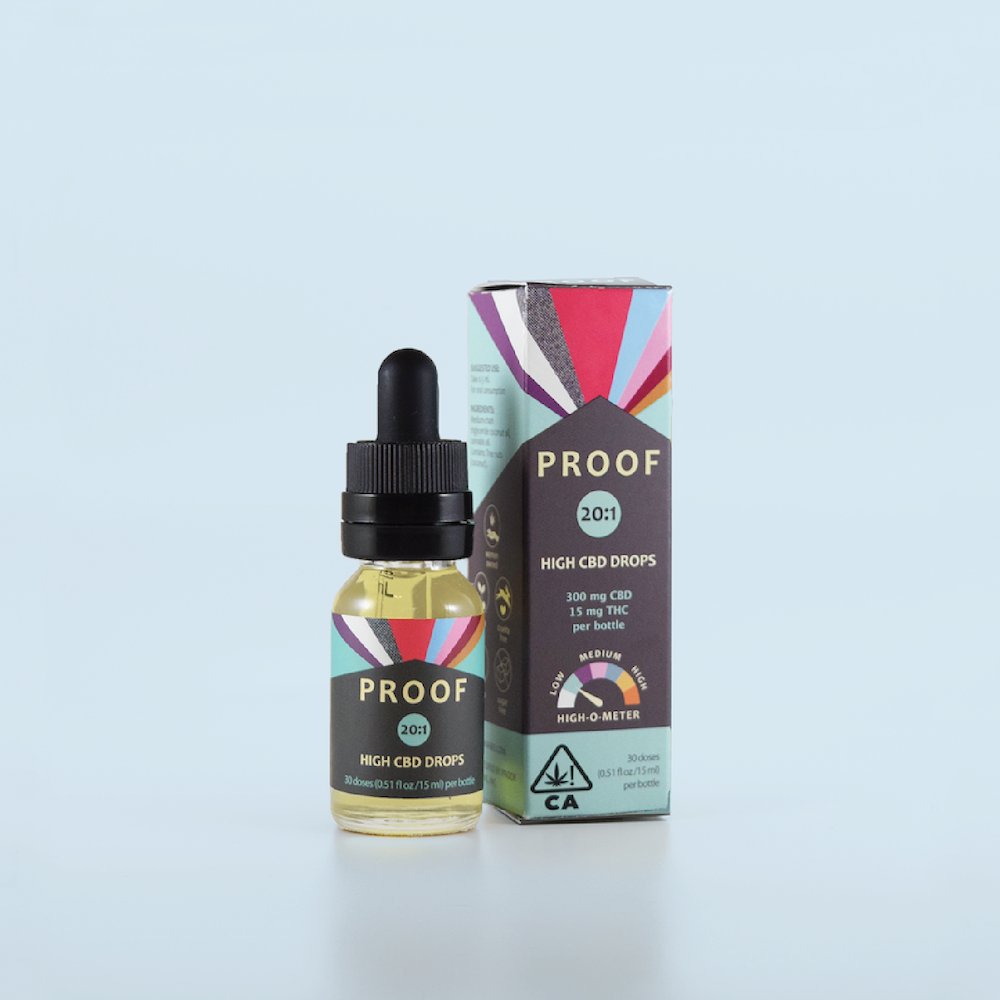
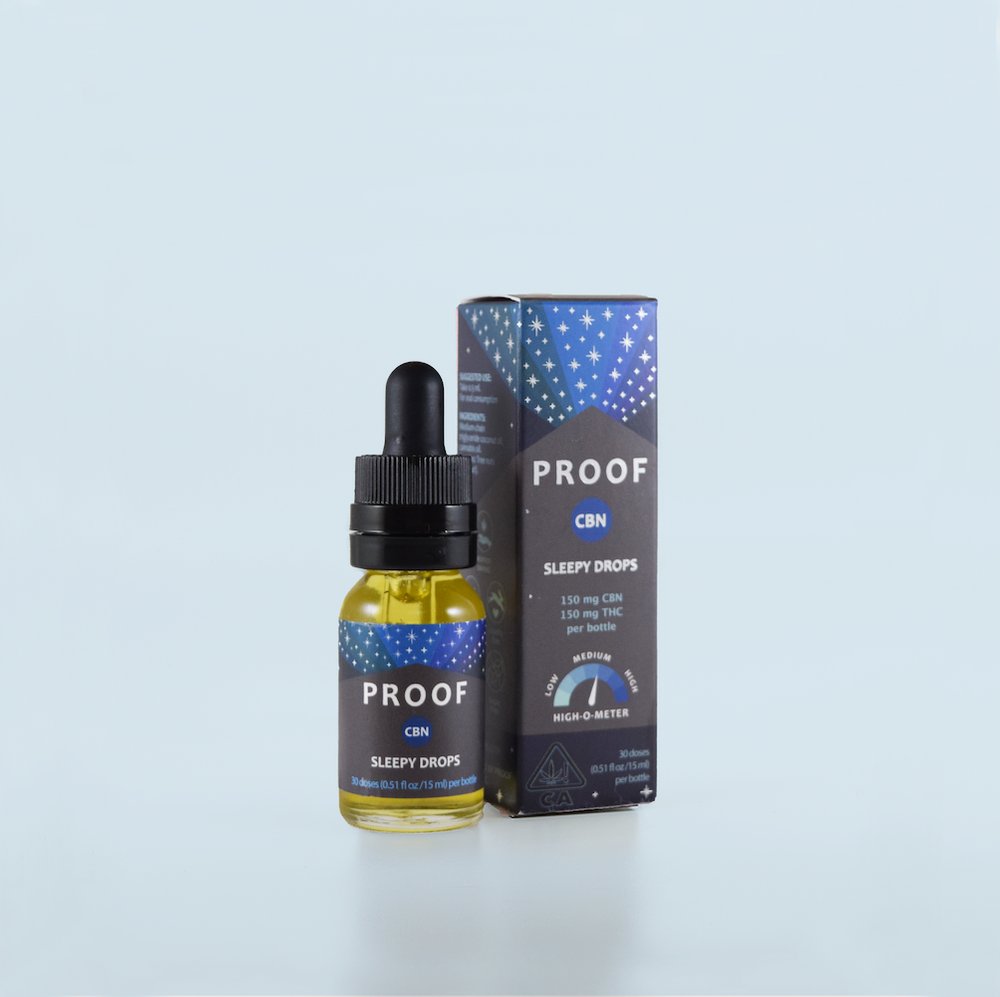
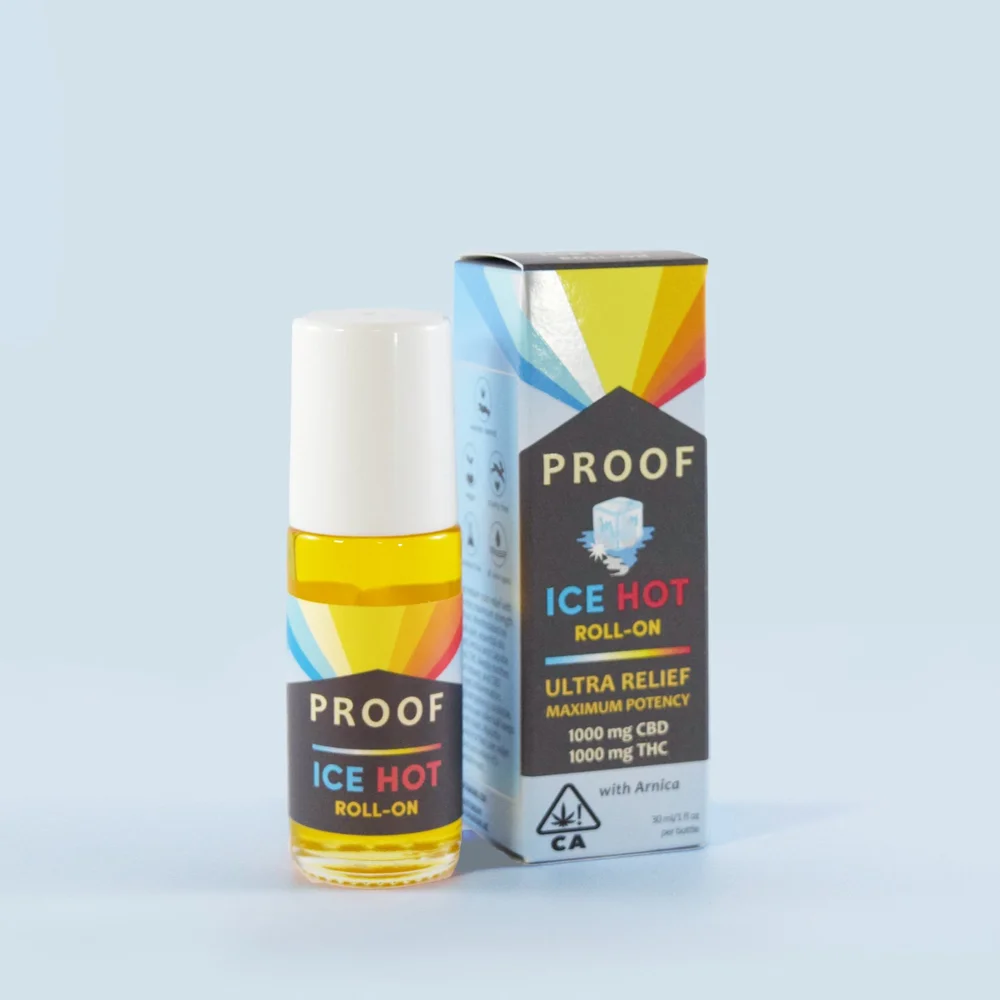
Please don't share your own cannabis with your pet. Products made for people, including Proof's drops, capsules, edibles and topicals, are labeled for adults, not animals, and many contain far more THC than California allows in a product made for pets.
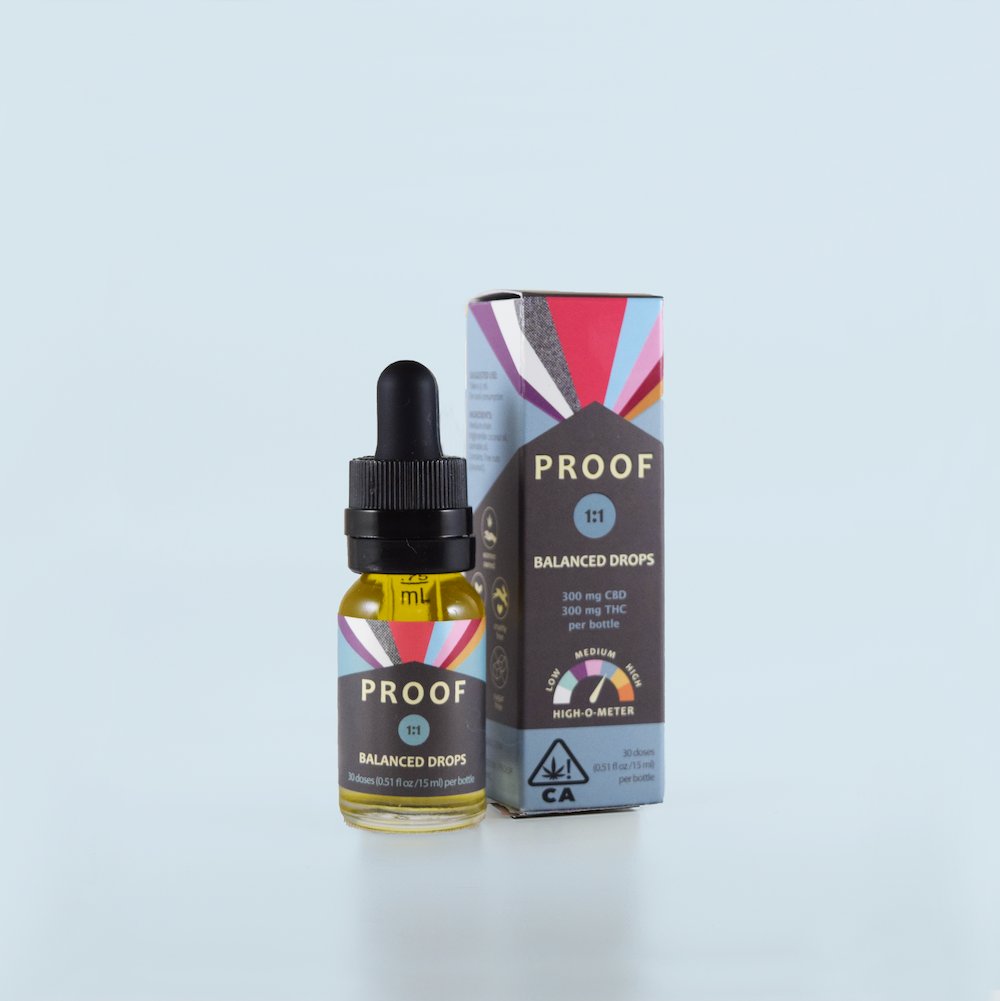
For example, one half-dropper serving of Proof's 1:1 Balanced Drops contains 10 mg THC, ten times what California allows in an entire pet product [2]. The Merck Veterinary Manual notes that dogs can show mild signs of THC poisoning at doses as low as 0.3–0.5 mg per kilogram of body weight [8]. Edibles add their own risks: Cornell's vet school notes that cannabis edibles can contain chocolate, xylitol or high-fat butters and oils, which can harm dogs on their own [9].
Store all cannabis products, including your pet's, closed and out of reach.
THC poisoning in dogs: signs and what to do
THC poisoning (THC toxicosis) happens when a pet takes in more THC than its body can handle, most often by eating an edible, flower or oil meant for people. Dogs are more sensitive to THC than people, partly because they have more cannabinoid receptors in the brain [9].
Signs to watch for
The most common signs in poison-control cases are lethargy, wobbly walking (ataxia) and vomiting [8]. Other signs include [8][9]:
- Dribbling urine or urinary incontinence
- Unusual sensitivity to sound, touch or motion
- Dilated pupils or a glassy, dazed look
- Drooling
- Trembling
- A slow or fast heart rate
- Body temperature that runs too high or too low
- In severe cases, seizures or coma
How fast signs appear and how long they last
After a dog eats THC, signs usually appear within 1–2 hours, and up to 4 hours on an empty stomach [8]. Cornell notes signs can start as early as 30 minutes and may last up to 72 hours [9]. Most dogs recover within one to three days with care [8][9]. Deaths are extremely rare, but they have been reported [8][9].
What to do
- Call right away. Contact your veterinarian, the nearest emergency animal hospital, or a 24/7 poison hotline: ASPCA Animal Poison Control at (888) 426-4435 [3] or Pet Poison Helpline at (855) 764-7661 [9]. A fee may apply.
- Tell them what your dog ate. Share the product, how much THC it contained and when it was eaten. Bring the package if you can.
- Don't make your dog vomit unless a vet tells you to. Cornell warns that a dog already showing signs shouldn't be made to vomit or given activated charcoal at home because of the risk of inhaling vomit [9].
- Keep your dog safe while you get help. Keep them in a quiet place, away from stairs, pools and other hazards [9].
There's no antidote for THC, so care is supportive: monitoring, fluids and medicine to manage symptoms, with more intensive treatment for severe cases [9]. The outlook is generally very good with appropriate care [9].
Frequently asked questions
Is pet cannabis legal in California?
Yes, since January 1, 2026, for products made to the DCC's animal standards and sold by licensed adult-use retailers to adults 21 and older [1][5]. Those products can contain no more than 1 mg of total THC per package [2].
What is the THC limit for pet cannabis in California?
One milligram of total THC per package, counting THC, delta-8 THC and THCA together [2][5]. There's no state limit on CBD in these products [5].
What are the signs of THC poisoning in dogs?
The most common signs are lethargy, wobbly walking and vomiting. Dogs may also dribble urine, react strongly to sound or touch, have dilated pupils, drool or tremble [8][9]. Call your vet or ASPCA Animal Poison Control at (888) 426-4435 [3].
Can I give my dog CBD made for people?
No. Products made for people aren't made or labeled for animals, may contain much more THC than California allows in a pet product, and may include ingredients that are unsafe for pets [5][9]. Choose a product made for animals, and talk to your vet first.
Is CBD safe for cats?
Research in cats is limited. In studies cited by the Merck Veterinary Manual, cats tolerated CBD doses well, though one cat had a liver enzyme rise that resolved after stopping the product [7]. Ask your vet before giving CBD to a cat.
Sources
- California Department of Cannabis Control. DCC-2025-02-R: Animal Cannabis Product Standards (rulemaking). https://cannabis.ca.gov/cannabis-laws/rulemaking/dcc-2025-02-r-animal-cannabis-product-standards
- California Department of Cannabis Control. Medicinal and Adult-Use Cannabis Regulations, revised January 1, 2026, Cal. Code Regs., tit. 4, § 17350 (Animal Cannabis Product Standards). https://cdn.cannabis.ca.gov/wp-content/uploads/sites/2/2026/01/dcc_regulations_01012026.pdf
- ASPCA. Animal Poison Control. https://www.aspca.org/pet-care/animal-poison-control
- Veterinary Medical Board of California. Guidelines for Veterinarian Discussion and Recommendation of Cannabis (revised April 19, 2023). https://www.vmb.ca.gov/forms_pubs/cannabis_guidelines.pdf
- California Department of Cannabis Control. Animal cannabis products guidance. https://www.cannabis.ca.gov/licensees/cannaconnect-compliance-hub/animal-cannabis-products-guidance/
- U.S. Food and Drug Administration. What You Need to Know (And What We're Working to Find Out) About Products Containing Cannabis or Cannabis-derived Compounds, Including CBD. https://www.fda.gov/consumers/consumer-updates/what-you-need-know-and-what-were-working-find-out-about-products-containing-cannabis-or-cannabis
- Merck Veterinary Manual. Toxicosis in Dogs and Cats From Cannabidiol (CBD). https://www.merckvetmanual.com/toxicology/toxicoses-from-human-recreational-drugs/toxicosis-in-dogs-and-cats-from-cannabidiol-cbd
- Hommerding H. Toxicosis in Dogs and Cats From Tetrahydrocannabinol (THC). Merck Veterinary Manual, reviewed February 2026. https://www.merckvetmanual.com/toxicology/toxicoses-from-human-recreational-drugs/toxicosis-in-dogs-and-cats-from-tetrahydrocannabinol-thc
- Cornell University College of Veterinary Medicine, Riney Canine Health Center. Cannabis (THC) intoxication in dogs. https://www.vet.cornell.edu/departments-centers-and-institutes/riney-canine-health-center/canine-health-information/cannabis-thc-intoxication-in-dogs
- Pets
- California
For adults 21+ only. Cannabis affects everyone differently. Product descriptions and anticipated effects are provided for informational purposes only and may vary by individual. Proof products are not intended to diagnose, treat, cure, or prevent any disease or medical condition. Consult a healthcare professional regarding cannabis use and your individual health needs.