On this page
This article has not yet been reviewed by a clinician.
More women in midlife are talking openly about cannabis, and some say they use it during perimenopause and menopause, mostly around sleep and mood. Surveys show the interest is real. What the research hasn't done yet is test whether cannabis actually helps with menopause symptoms, or how safe it is for this purpose, in large clinical trials.
This guide covers what women report, what the studies can and can't tell you, what to think about before you try anything, and where Proof's products fit. It's general information, not medical advice. Cannabis isn't a treatment for menopause, and your clinician is the right person to help you weigh your options.
What is perimenopause, and why do people look for options?
Perimenopause is the transition leading up to menopause. It usually begins in your 40s and can last several years, and periods often become irregular. You've reached menopause when you haven't had a period for 12 months [7]. Hot flashes and night sweats, trouble sleeping, mood changes and vaginal dryness are all common [7].
Clinicians have established treatments for many of these symptoms. Hormone therapy is the prescription treatment used most often [5], and The Menopause Society recommends several non-hormone options for hot flashes as well [3]. Some women still look for other options, and cannabis comes up often.
What women report: the survey evidence
Two peer-reviewed surveys give the clearest picture of how women use cannabis around menopause.
A U.S. survey of 258 women (2022). Researchers surveyed 131 perimenopausal and 127 postmenopausal women [1]. Most were already regular cannabis users: 86.1% reported current use, and 78.7% of those who had ever used cannabis said they'd used it for menopause-related symptoms. The most common reasons were:
- Sleep disturbance (67.4%)
- Mood or anxiety (46.1%)
- Libido (30.4%)
Perimenopausal participants reported worse hot flashes and mood symptoms than postmenopausal participants, and were more likely to use cannabis for mood and anxiety [1].
A Canadian survey of 1,485 women aged 35 and older (2023). A web-based survey in Alberta found that about a third of respondents were current cannabis users [2]. Most current users said they used it for medical reasons, most often sleep, anxiety, and muscle or joint aches, and most said it helped. Current users were also more likely to report menopause symptoms.
What these surveys can't tell you
Surveys are a useful starting point, but they have real limits:
- They rely on self-report. People describe how they felt, with no comparison group and no placebo. Expectations play a big role in how we rate any remedy.
- The samples were self-selected. The U.S. survey's participants were mostly White, middle-class women who already used cannabis regularly, and the authors noted the results may not apply to more diverse groups or to people new to cannabis [1]. The Canadian survey recruited through social media [2].
- They didn't capture products or doses. The U.S. survey didn't record cannabinoid profiles, doses or frequency of use [1].
Both research teams said the same thing: more research is needed on safety and effectiveness [1][2].
What clinical research does and doesn't show
Here's the honest summary: there are no large clinical trials showing that cannabis helps with menopause symptoms. We couldn't find any randomized controlled trials of cannabis for menopause symptoms at all.
That matters because clinical trials are how researchers separate a real effect from a placebo effect, find the right dose, and spot side effects. The authors of the U.S. survey called for clinical trials, noting that their survey design couldn't judge whether cannabis works [1].
Professional guidance reflects this gap. In its 2023 position statement on non-hormone therapy for hot flashes and night sweats, The Menopause Society (formerly the North American Menopause Society) listed cannabinoids among the options it does not recommend [3]. That doesn't mean the question is closed. It means there isn't good evidence yet.
There's also no evidence that cannabis addresses the longer-term health questions that come with menopause, such as bone and heart health. Those are worth a dedicated conversation with your clinician.
Things to consider before you try cannabis
Medications, including HRT and antidepressants
If you take hormone therapy, an antidepressant, a sleep aid or any other medication, talk to your clinician or pharmacist before adding cannabis or CBD. The FDA warns that CBD "can affect how other drugs you are taking work, potentially causing serious side effects," and may increase or decrease their effects [4]. The FDA also notes that CBD combined with alcohol or other sedating drugs raises the risk of sleepiness, which can lead to injuries [4].
CBD has also been linked to liver injury, and the FDA says the risk may be higher alongside other drugs that affect the liver [4]. Your clinician can tell you whether any of your medications raise a concern.
THC and how it feels
THC is intoxicating, and people respond to it differently. Swallowed products like capsules and drops can take 30 minutes to 2 hours to kick in, so it's easy to take too much by re-dosing too soon. Read our guide to dosing and tolerance before you start.
Pregnancy is still possible in perimenopause
Pregnancy can still happen during perimenopause. The FDA strongly advises against using CBD, THC or cannabis in any form while pregnant or breastfeeding [6]. If there's any chance you could be pregnant, don't use cannabis, and talk with your clinician.
Ground rules
- Cannabis is for adults 21 and older.
- Start low and go slow.
- Don't drive or operate machinery after using THC.
- Store cannabis away from children and pets.
- Tell your clinician what you're using, including CBD.
How Proof's women's health products fit
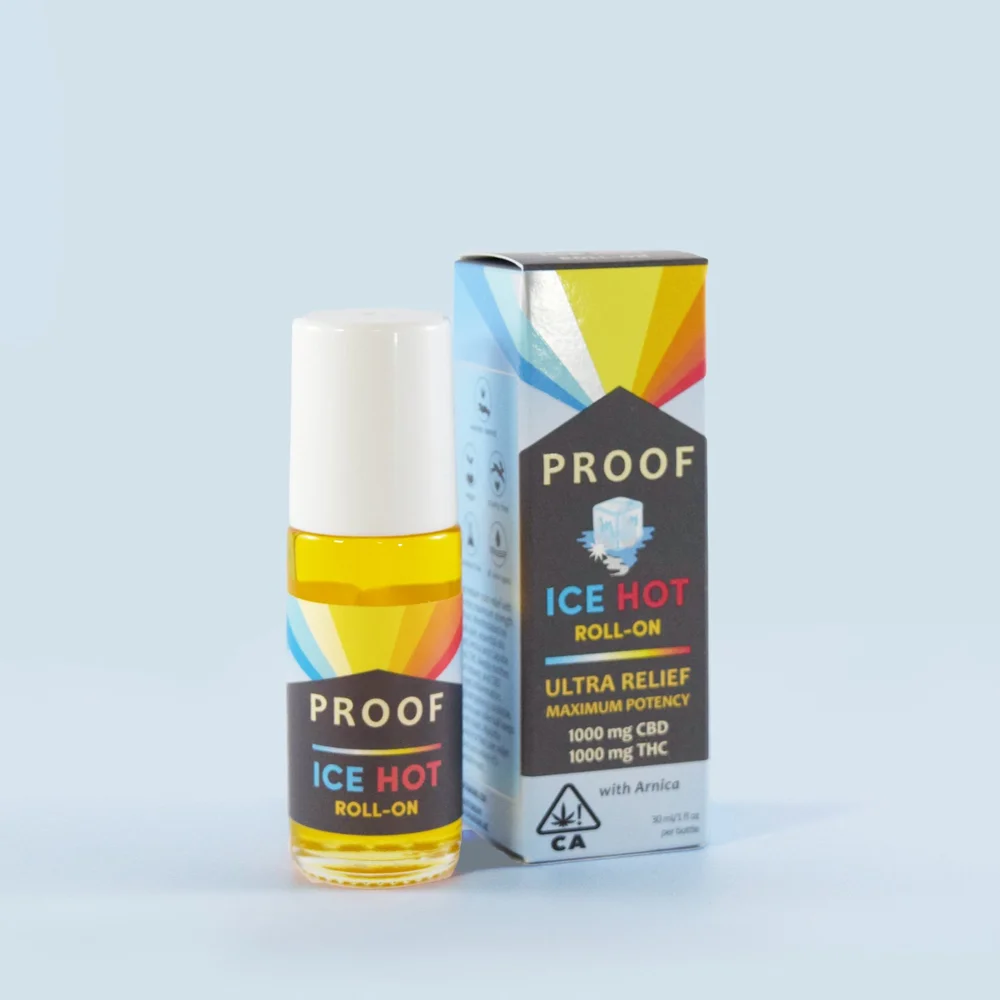
Proof is a women-led cannabis company that has been making products in Santa Rosa, California, since 2016. Our women's health page is built around a simple idea: cannabis isn't a treatment for menopause, but some adults choose to include it in their personal routines. If you're one of them, here's how our products fit.
Intimacy Oil. Proof Intimacy Oil is a silky botanical oil that softens and conditions skin, with 300 mg CBD and 300 mg THC per bottle. It's made with grapeseed, sunflower and MCT coconut oils, cannabis oil and vitamin E. Oil-based products may weaken latex condoms and other latex barriers. Discontinue use if irritation occurs. Can You Get High From Topicals? explains how THC applied to the skin differs from THC you swallow. A THC-free CBD version is available online from Proof Remedy and ships anywhere in the US.
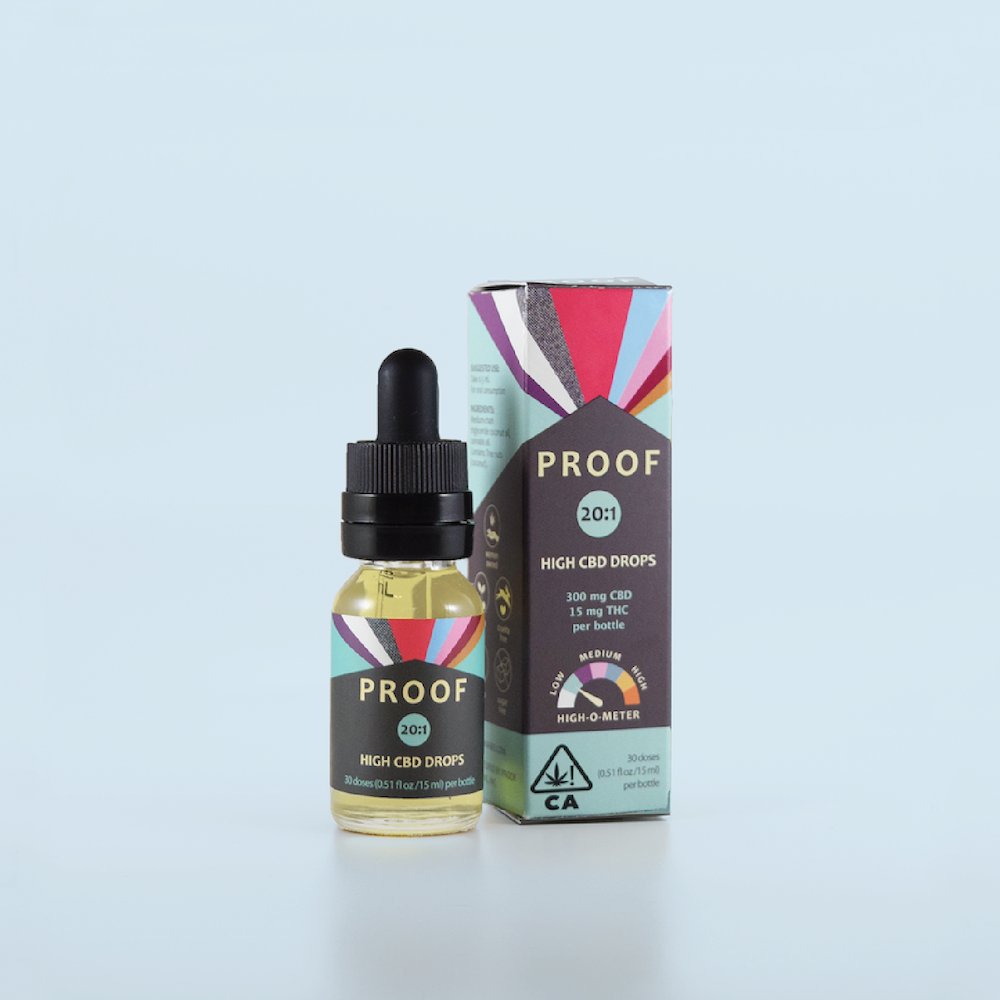
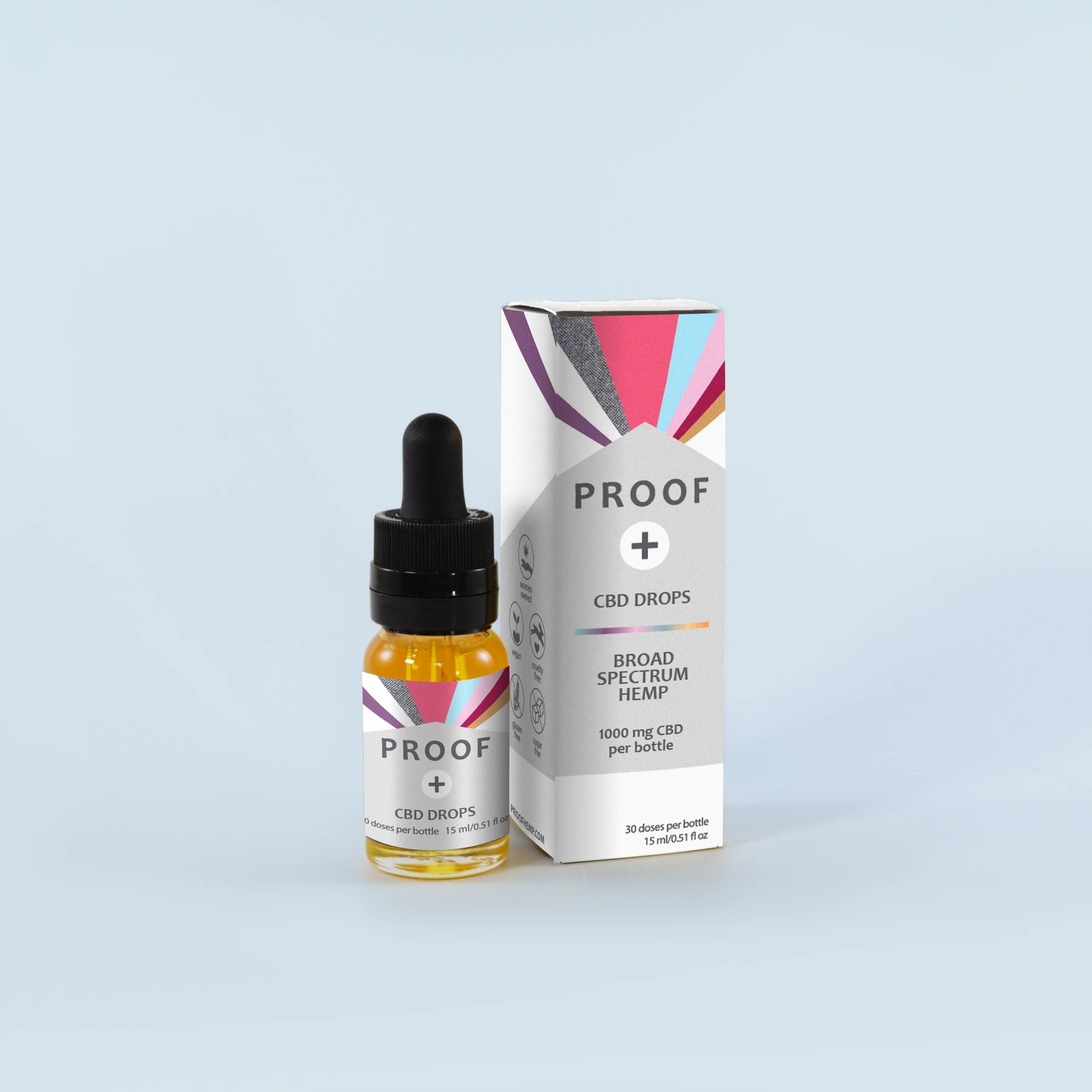
CBD-rich drops. Many women prefer to try CBD before THC. Proof's 20:1 High CBD Drops have 10 mg CBD and 0.5 mg THC per half-dropper dose, and our CBD Only Drops have 33 mg CBD per dose with no THC. Remember that CBD can interact with medications [4], so check with your clinician first.
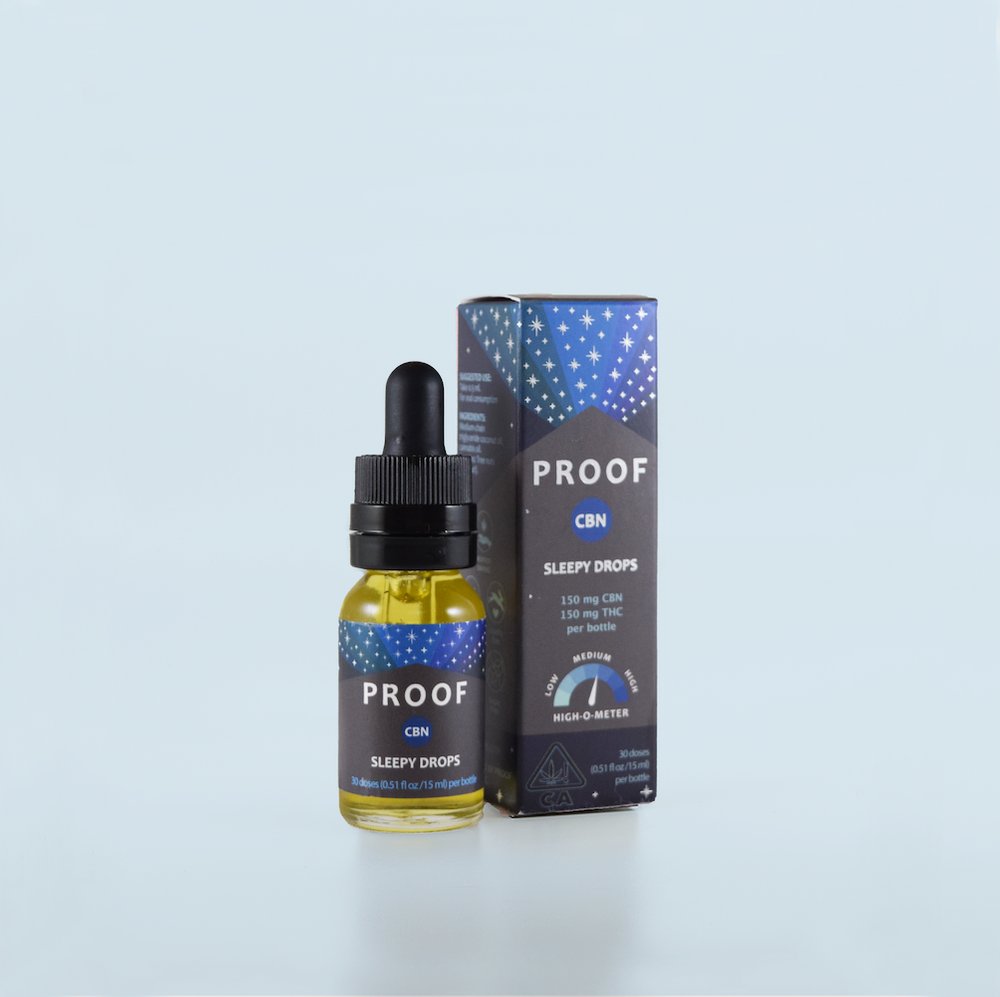
Bedtime products. Sleep was the most common reason women in both surveys gave for using cannabis [1][2]. Proof's CBN Sleepy Drops (5 mg CBN and 5 mg THC per dose) are made for a wind-down routine. They contain THC, so start with a small amount on a night when you don't have to be up early.
Whatever you choose, start with the lowest amount, give it time to work, and keep notes on what you took and how you felt. That record is useful to share with your clinician.
Talk to your clinician
There are more evidence-based options for menopause symptoms than many women realize [3][5]. A clinician who knows your history can help you compare them, check your medications for interactions, and decide whether cannabis makes sense for you. If you'd like a clinician who focuses on menopause, The Menopause Society has a practitioner directory on its website [5].
Questions worth bringing to your appointment:
- Which of my symptoms have proven treatments, and are any right for me?
- Could CBD or THC interact with anything I take?
- Is there any reason, such as liver health, that I should avoid CBD?
- Is there a reason to watch for pregnancy, given my stage?
Frequently asked questions
Does cannabis help with menopause symptoms?
We don't know yet. In surveys, many women who use cannabis say it helps them with sleep and mood during perimenopause and menopause [1][2]. But those are self-reports, and no large clinical trials have tested cannabis for menopause symptoms. The Menopause Society does not currently recommend cannabinoids for hot flashes [3].
What do women most often use cannabis for during menopause?
Sleep is the top reason in the surveys, followed by mood or anxiety. In the U.S. survey, 67.4% of users cited sleep disturbance, 46.1% mood or anxiety, and 30.4% libido [1]. In the Canadian survey, the top reasons were sleep, anxiety, and muscle or joint aches [2].
Can I use CBD if I'm on hormone therapy or an antidepressant?
Ask your clinician or pharmacist first. The FDA warns that CBD can change how other medications work, increasing or decreasing their effects [4].
Is CBD or THC better for menopause?
There isn't research comparing them for menopause symptoms. CBD isn't intoxicating, while THC is. Many people start with a CBD-rich product and a very small amount, but the right choice depends on your health and medications, so talk with your clinician.
Is Proof Intimacy Oil a treatment for vaginal dryness or menopause?
No. Proof Intimacy Oil is a botanical oil that softens and conditions skin. It isn't a treatment for any condition. If you're experiencing vaginal dryness or pain with sex, talk with your clinician, who can discuss the full range of options.
Sources
- Dahlgren MK, El-Abboud C, Lambros AM, Sagar KA, Smith RT, Gruber SA. A survey of medical cannabis use during perimenopause and postmenopause. Menopause. 2022;29(9):1028-1036. https://pmc.ncbi.nlm.nih.gov/articles/PMC9422771/
- Babyn K, Ross S, Makowsky M, Kiang T, Yuksel N. Cannabis use for menopause in women aged 35 and over: a cross-sectional survey on usage patterns and perceptions in Alberta, Canada. BMJ Open. 2023;13(6):e069197. https://pubmed.ncbi.nlm.nih.gov/37344107/
- Shufelt CL, Brown V, Carpenter JS, et al. The 2023 nonhormone therapy position statement of The North American Menopause Society. Menopause. 2023;30(6):573-590. https://pubmed.ncbi.nlm.nih.gov/37252752/
- U.S. Food and Drug Administration. What You Need to Know (And What We're Working to Find Out) About Products Containing Cannabis or Cannabis-derived Compounds, Including CBD. https://www.fda.gov/consumers/consumer-updates/what-you-need-know-and-what-were-working-find-out-about-products-containing-cannabis-or-cannabis
- The Menopause Society. Patient Education. https://www.menopause.org/patient-education
- U.S. Food and Drug Administration. What You Should Know About Using Cannabis, Including CBD, When Pregnant or Breastfeeding. https://www.fda.gov/consumers/consumer-updates/what-you-should-know-about-using-cannabis-including-cbd-when-pregnant-or-breastfeeding
- MedlinePlus, U.S. National Library of Medicine. Menopause. https://medlineplus.gov/menopause.html
- Women's Health
- Menopause
For adults 21+ only. Cannabis affects everyone differently. Product descriptions and anticipated effects are provided for informational purposes only and may vary by individual. Proof products are not intended to diagnose, treat, cure, or prevent any disease or medical condition. Consult a healthcare professional regarding cannabis use and your individual health needs.